Bring the vet to the animals — and give your company a campaign employees will actually share.
You opened this because Jason Plouff, Corporate Giving Consultant for Tito’s Hope, reached out. Tito’s Hope is a US 501(c)(3) medical-first rescue for stray dogs and cats in Surf City, La Libertad, El Salvador, powered by the Bitcoin community. This page is for two decisions you can make today: a company gift toward the campaign, and a short note you can send internally so employees can give — and, where your program allows, get their gifts matched — through Benevity.
Search Tito’s Hope or EIN 39-4133707 in your workplace portal · Cause ID 840-394133707
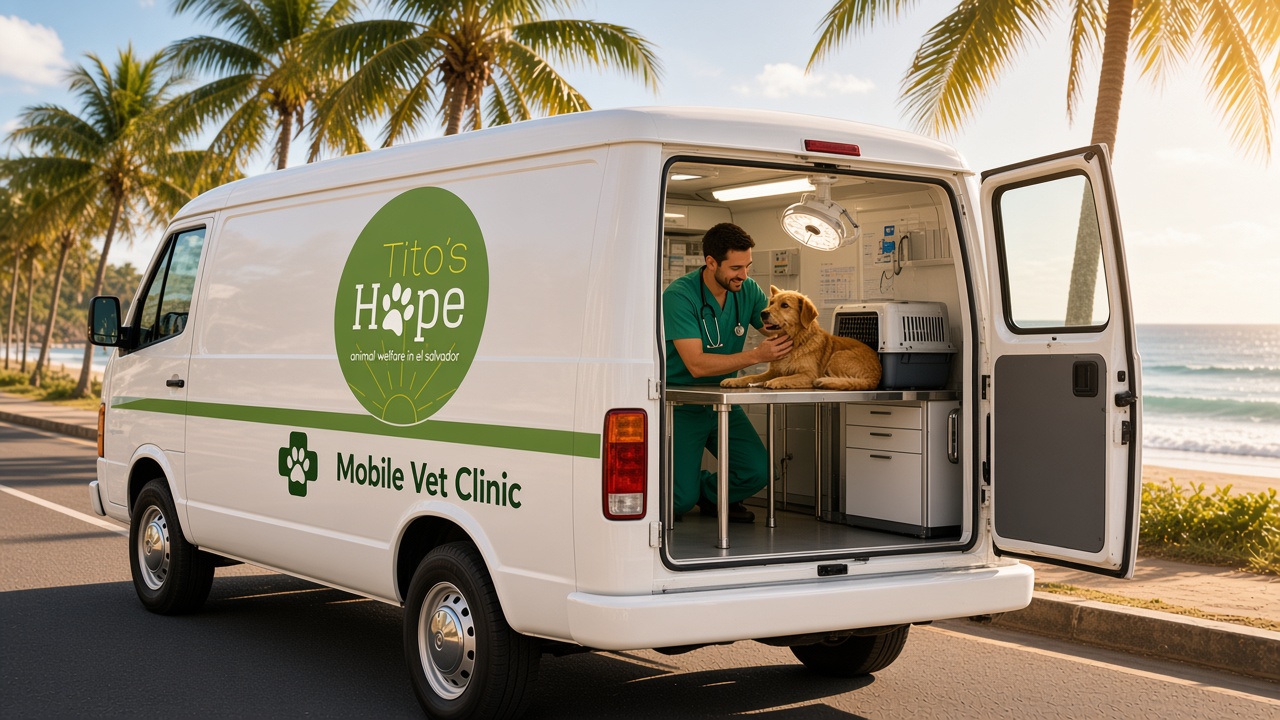
Concept rendering of our planned Mobile Vet Clinic. This is a campaign goal — the van has not been purchased yet.
The problem
Street animals in El Salvador often cannot get to care. Care has to get to them.
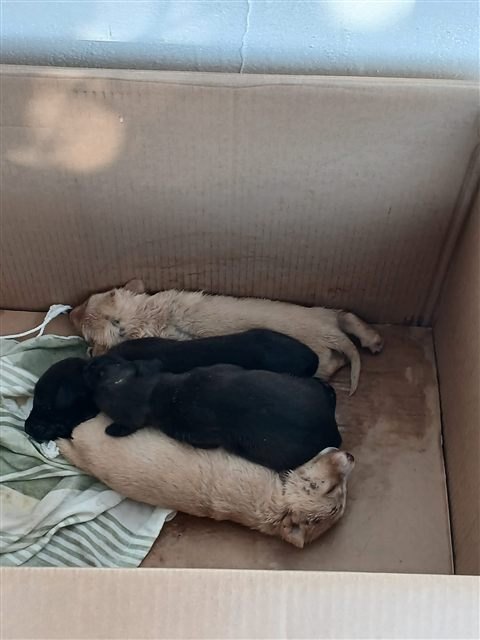
Tito’s Hope describes stray life in El Salvador as brutal, but not hopeless. The organization leads with veterinary care — rescue, treatment, spay and neuter, foster recovery, and adoption — and builds community-based care networks led by a mobile veterinarian team.
On the public 2027 Plan, Tito’s Hope is direct about the barrier: “With barriers in animal transport and large stray populations, going to the animals is what works best.” Transport itself is called out as a key gap. The wishlist already includes transport vehicles — “cargo bike, car, truck, van. We’ll take anything.”
That is the opening this campaign is built around. A company gift, or a wave of employee gifts through Benevity, helps move medical care closer to the dogs and cats who need it — in Surf City, along the beach communities, and in places that are hard to reach with a clinic that stays in one spot.
This campaign’s goals
Three priorities, one story your team can stand behind.
These are the big-ticket aims of the campaign — framed as goals, not as work already finished. A corporate donation, a matched employee gift, or a tier sponsorship can be directed toward any of them.
01
A stable, permanent clinic location
The 2027 Plan looks toward a small clinic and outdoor recovery center specifically for strays, at a beach location, plus a proposed fundraising campaign toward building a hospital and clinic. A permanent place to operate means consistent surgeries, recovery, and a base the mobile team can run from.
02
The Mobile Vet Clinic van
The primary 2026 goal we want partners to see: a white, medical Tito’s Hope van with a veterinary setup in the back, so the team can take exams, vaccines, deworming, and emergency stabilization to the animals. Details below.
Food, medicine, vaccines, and medical supplies — the everyday inputs behind every intake. The 2027 Plan’s public cost breakdown starts at $175 to get one animal to safety, covering capture and transport, food and shelter, an exam, and parasite treatment, with extra costs for surgery or hospitalization.
A medical van — not a mascot vehicle — with a vet setup in the back.
The picture on this page is a concept rendering of our planned Mobile Vet Clinic. It is a fundraising goal for this campaign. Tito’s Hope has not published a purchase price or a fixed target for the van, so gifts are invited simply to help fund it. Here is why it matters, in the organization’s own plans.
Concept rendering of our planned Mobile Vet Clinic.
What we want inside
The goal is a clean, professional veterinary workspace in a white van carrying the Tito’s Hope logo — a place a veterinarian can work, not a novelty paint job. Intended uses, based on the care Tito’s Hope already provides, include:
On-site exams and triage for street dogs and cats
Vaccinations and deworming, including community treatment days like the 60-animal deworming day already completed
Emergency stabilization, so an animal in crisis is not left waiting on a long, risky ride
Fewer unsafe transports, which the 2027 Plan names as a real barrier to care
How this helps the mission
Tito’s Hope already works as a mobile veterinarian team and plans spay/neuter clinics by region, going out to pre-screen animals before large clinic days. A dedicated clinic van would let that model go farther — into beach towns and rural communities where street animals live, and where getting them to a fixed clinic is often the hardest part.
The aim is straightforward: treat more animals where they are, stabilize emergencies sooner, and keep the path from rescue to recovery to adoption intact. Those are goals for the van, not results we can claim in advance.
Timeline: this is a 2026 campaign goal. We will update partners as funding and a vehicle are secured. Want to help it happen?
Numbers from Tito’s Hope’s public 2027 Plan — not estimates made for outreach.
The figures below come from the public 2027 Plan on titoshope.org (the page was last updated 14 November 2026) and from Tito’s Hope’s Benevity registration. They are not estimates made for outreach.
211
Stray dogs and cats rescued in 2026, as published on the 2027 Plan.
60
Animals treated in a completed de-parasite and deworming day.
$175
Minimum cost, on the 2027 Plan, to get one animal to safety.
501(c)(3)
US nonprofit, EIN 39-4133707, vetted and active on Benevity.
The 2027 Plan also publishes a simple cost breakdown: $50 capture and transport, $50 for five days of food and shelter, $25 for a general exam and blood work, and $50 for flea or dewormer treatment, with additional amounts for surgery, hospitalization, or international placement. Those are operating costs, not a promise about any one gift.
The mission, in the animals
Real names, from Tito’s Hope’s own pages.
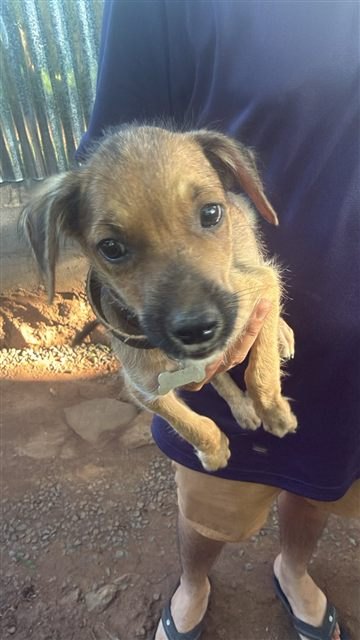
The photographs below are official images from the 2027 Plan gallery. We only tell a fuller story when titoshope.org already has one. For Tunquita, Canela, Teo, Sol & Luna, and Vaquita, the site publishes their names and photos; it does not yet publish individual biographies, so we will not invent them.
From the Critical Cases page
Nine beach dogs. One community.
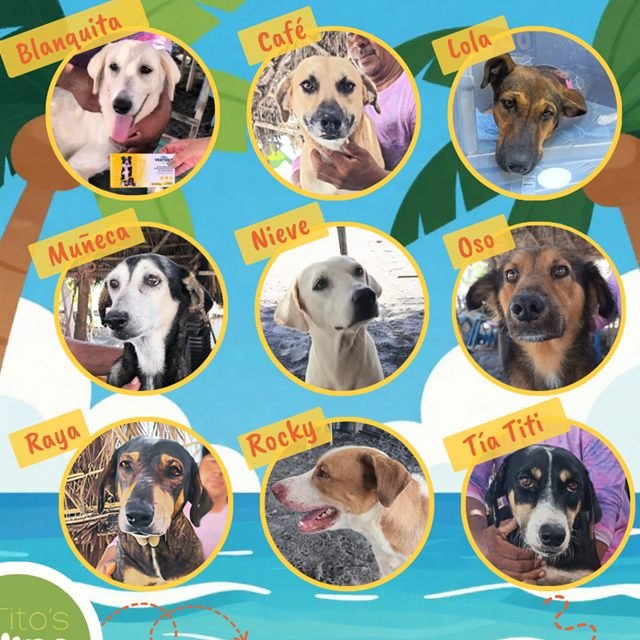
Blanquita, Café, Lola, Muñeca, Nieve, Oso, Raya, Rocky, and Tía Titi are nine beach dogs cared for by the community of Playa de los Blancos. Together they have needed deworming, medical treatment, food, and safe boarding. Rene, a lifeguard who lives and works on that beach, is often first to respond; nearby resident Ilma has been rallying the community around them.
Tunquita, from the 2027 Plan gallery. Photo: Tito’s Hope.Canela, from the 2027 Plan gallery.Teo, from the 2027 Plan gallery.Sol & Luna, from the 2027 Plan gallery.Vaquita, from the 2027 Plan gallery.
Other published cases on titoshope.org/critical-cases include Pepito, rescued in Playa El Tunco with a severe wound and later treated for a tumor; Boby, found on a hike and treated for an eye infection and skin condition; and a family of eight animals in Sunzal. The organization itself began with Tito, a four-month-old dog Dr. Gaby found on El Tunco beach — the spark that drew a village together.
Make a corporate gift. Then make it easy for employees to join you.
Good CSR and employee-engagement programs need a cause that is easy to vet, easy to explain, and easy to act on in a newsletter or Slack post. Tito’s Hope is already a US 501(c)(3), already live on Benevity, and already doing visible medical-first work in El Salvador. You can lead with a company donation, invite your workforce to give, or do both.
A company gift
Sponsor a tier, fund a clinic day, or put a corporate donation toward the Mobile Vet Clinic, a permanent clinic location, or essentials. Gifts can be made on titoshope.org by card or PayPal, Bitcoin and Lightning, or Zelle. Jason can help shape a pilot.
An employee campaign
Share a short blurb or Slack post (ready to copy below). Employees search Tito’s Hope in your Benevity portal, give, and turn matching on if your program allows it. That is often how a modest internal push becomes a meaningful total.
Why this fits CSR goals
It is concrete, visitable, and medical — not abstract. It is a vetted US charity with operations in Bitcoin Country, which tends to resonate with pet, travel, tech, and crypto teams, and with any workforce that wants a clear story about reducing animal suffering.
Five steps, from your workplace portal to a rescue in Surf City
Open your portal
Log in to your company’s workplace giving or Benevity account. If you are unsure you have one, ask HR or your CSR team.
Search for us
Enter Tito’s Hope or EIN 39-4133707 (unique identifier 394133707).
Confirm the cause
You should see TITOS HOPE INC, Miami, Florida, United States, with work described in El Salvador.
Give — and match
Make your gift. If your employer matches, turn matching on so the donation can be doubled.
Go further
Ask about volunteer grants, a team campaign, or a skills-based project. Jason can help you shape a pilot.
The public page is a profile, not a checkout. Donations and matching are completed inside your employer’s Benevity portal. Eligibility can vary by company program.
Ready to copy
Employee newsletter blurb and a Slack or Teams post.
Paste either version into an internal newsletter, intranet, Slack, or Teams channel. Edit the company name if you like. Both include the Benevity cause link and a clear ask to give — and to turn matching on if you offer it.
Employee newsletter blurb
Help our team give stray dogs and cats in El Salvador a second chance.

Tito’s Hope is a US 501(c)(3) medical-first rescue in Surf City, El Salvador (EIN 39-4133707). Their current campaign is raising support for a Mobile Vet Clinic van, a stable clinic location, and everyday essentials — food, vaccines, and medicine — so care can reach animals where they are.

Search Tito’s Hope in our Benevity workplace giving portal, or open: https://causes.benevity.org/causes/840-394133707

If our company matches gifts, please turn matching on so your donation can go further. Learn more at https://titoshope.org/
Slack / Teams post
We’re supporting Tito’s Hope, a US nonprofit (EIN 39-4133707) that provides medical-first rescue for stray dogs and cats in Surf City, El Salvador. Their campaign is focused on a Mobile Vet Clinic van, a permanent clinic location, and basic care supplies.

Give through Benevity (and turn on matching if we offer it): https://causes.benevity.org/causes/840-394133707

More about the work: https://titoshope.org/
Sponsor tiers
How a gift translates into care.
These impact tiers are the amounts Tito’s Hope shares with corporate partners. Any amount helps; a pilot partnership often starts in the $1,000–$5,000 range. A tier sponsorship can also be designated toward the Mobile Vet Clinic, the permanent clinic location, or essentials, if that is how your company prefers to give.
Rescue Intake
$100
Full vaccinations, parasite treatment, and one month of nutrition for a rescue coming into care.
Critical Care Grant
$500
Specialized surgery or life-saving emergency hospitalization for an animal who cannot wait.
Village Clinic
$1,500
Funds a full-day spay/neuter clinic. The corporate one-pager describes this work as helping prevent 1,000+ future strays.
Bitcoin-powered, and easy for a US company to fund.
Tito’s Hope is open about being powered by the Bitcoin community. The 2027 Plan says Bitcoin is the main way the organization moves funds, and that conversions are timed to stretch every donation. US donors who prefer a bank transfer can use Zelle — the site notes there are no fees, “and every dollar goes to the animals in our care.” Card, PayPal, and Apple Pay run through GiveButter, and employees can give inside Benevity.
The corporate brief describes the model as “Proof of Care”: a measurable path from gift to medical intervention. That combination — a vetted 501(c)(3), a workplace-giving profile, and modern rails — is what makes this an easy internal story for tech, finance, and CSR teams alike.
Tax status, how funds are used, and how Benevity works.
Is Tito’s Hope a US tax-exempt nonprofit?
Yes. Titos Hope Inc is a US 501(c)(3) charitable organization, EIN 39-4133707, with a registered office in Miami, Florida, and operations in Surf City, La Libertad, El Salvador. Contributions are tax-deductible to the extent permitted by law. The organization is also established as a nonprofit in El Salvador, as stated on the 2027 Plan.
How are donations used?
Gifts support medical-first rescue and care: intake, exams, vaccines, parasite treatment, food, transport, surgery, hospitalization, and adoption pathways. This campaign also invites support for three goals — a stable clinic location, the Mobile Vet Clinic van, and basic essentials. The 2027 Plan publishes a minimum of $175 to get one animal to safety, plus itemized extra costs. We do not publish a van purchase price on this page because Tito’s Hope has not set one in its public materials.
How do employees give through Benevity?
They log in to your company’s Benevity or workplace-giving portal, search “Tito’s Hope” or EIN 39-4133707, confirm they see TITOS HOPE INC, and complete the gift there. If you offer matching, they should turn matching on. The public cause page is how you confirm the right organization; it is not the checkout.
Can we make a company donation without Benevity?
Yes. Use the donate options on titoshope.org, or email jason.plouff@titoshope.org to designate a gift toward the van, the clinic location, essentials, or a sponsor tier.
Is the Mobile Vet Clinic van already on the road?
Not yet. It is a 2026 campaign goal. The photograph is labeled “Concept rendering of our planned Mobile Vet Clinic.” Tito’s Hope already describes itself as led by a mobile veterinarian team; the van is meant to give that work a dedicated medical vehicle.
Can employees volunteer as well as give?
Yes. Volunteering is coordinated and low-pressure, from the Bitcoin Farmer’s Market booth to medical response, foster, transport, and virtual skills help in tech, marketing, and design. Students can receive letters of community service. Ask Jason about volunteer grants through Benevity.
Let’s get this campaign moving
A company gift, an employee post, or a 15-minute call with Jason.
If you can make a donation today, use the official Tito’s Hope giving links. If you can invite your team, copy the blurb above. If you want a pilot partnership, email Jason and he will help you shape it.
Jason is the person to email about a corporate gift or a Benevity campaign.
A typical next step is a 15-minute introduction, then a pilot partnership if there is a fit. Direct gifts, employee matching, volunteer grants, clinic or van sponsorship, and custom internal campaigns are all on the table.